History for an uncertain future
Dagomar Degroot
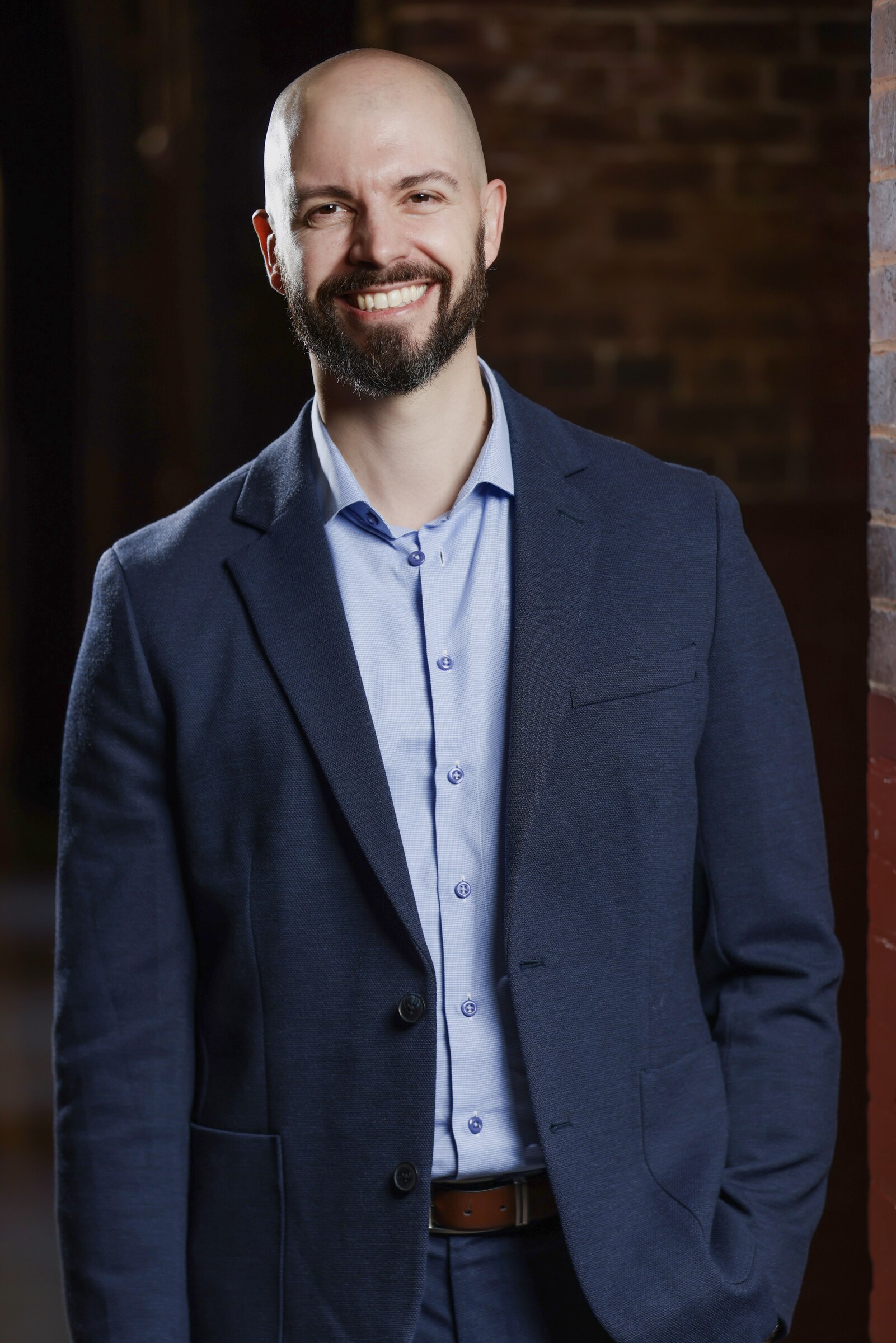
Welcome! I’m a professor of environmental history at Georgetown University in Washington, DC. I bridge the sciences and humanities to write histories that guide responses to today’s urgent challenges. I’m an expert on climate change, space exploration, and existential risk.
01
Profile
Professor of environmental history
My work combines the methods and evidence of the humanities and natural sciences to explore how communities have responded to environmental changes, on Earth and across the solar system.
I aim to better understand how environmental forces have shaped human history – partly to offer fresh perspectives on the gravest threats and greatest opportunities of the twenty-first century.
Read the full profile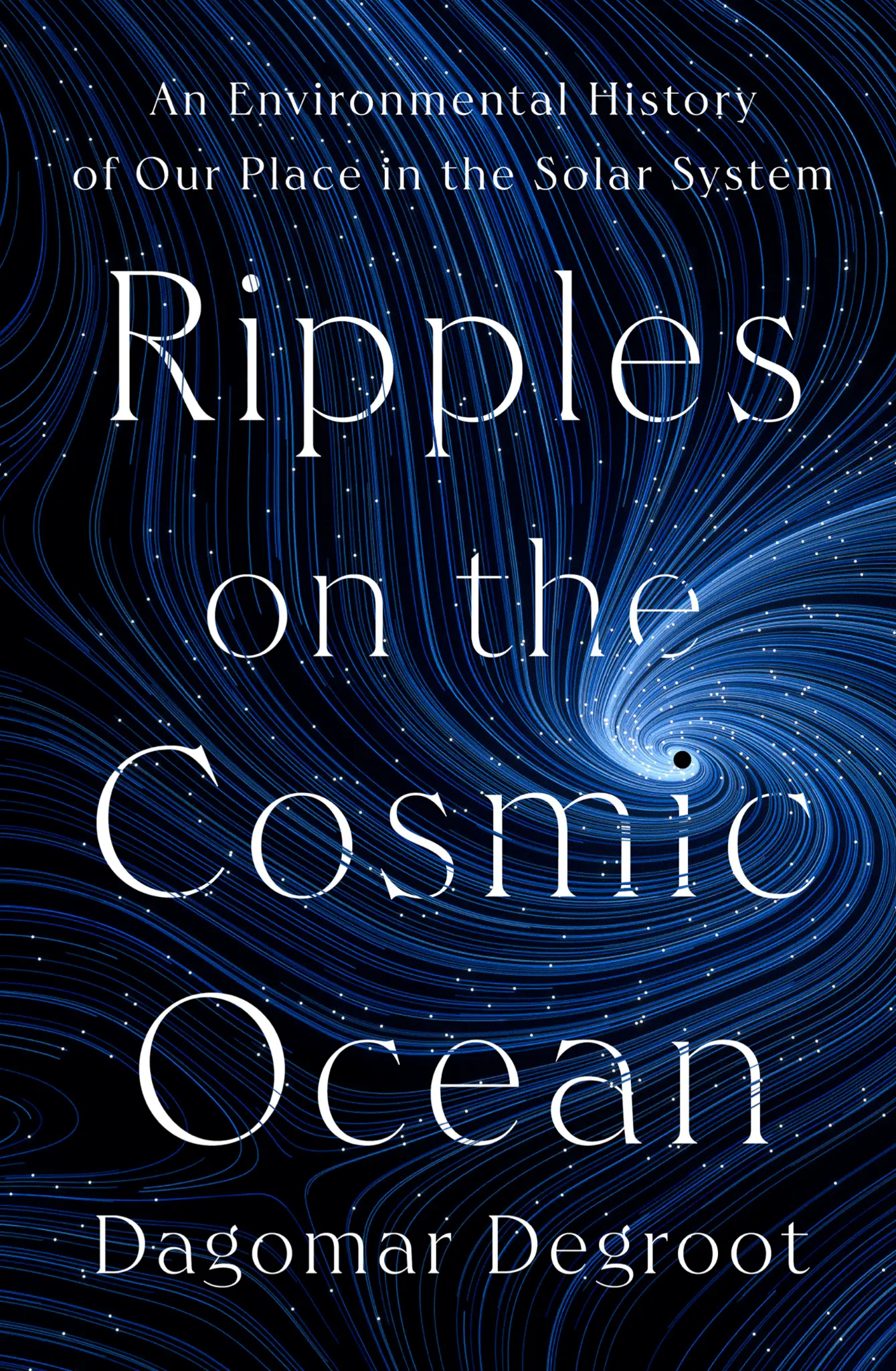
Newest book · 2025
Ripples on the Cosmic Ocean
An Environmental History of Our Place in the Solar System
Ripples on the Cosmic Ocean reimagines the solar system as a mosaic of environments organized and entangled by the forces of electromagnetism and gravity. It argues that real and perceived changes in these environments shaped human history in previously untold ways.
“A sweeping, stunning account of our place in the cosmos and its place in us.”—Kirkus Reviews, starred review
Latest publications
New Public and Scholarly Writing

Environmental History
Recovering Climate’s History with Artificial Intelligence
Historical Studies in the Natural Sciences
Making The Climate Chronicles
Aeon
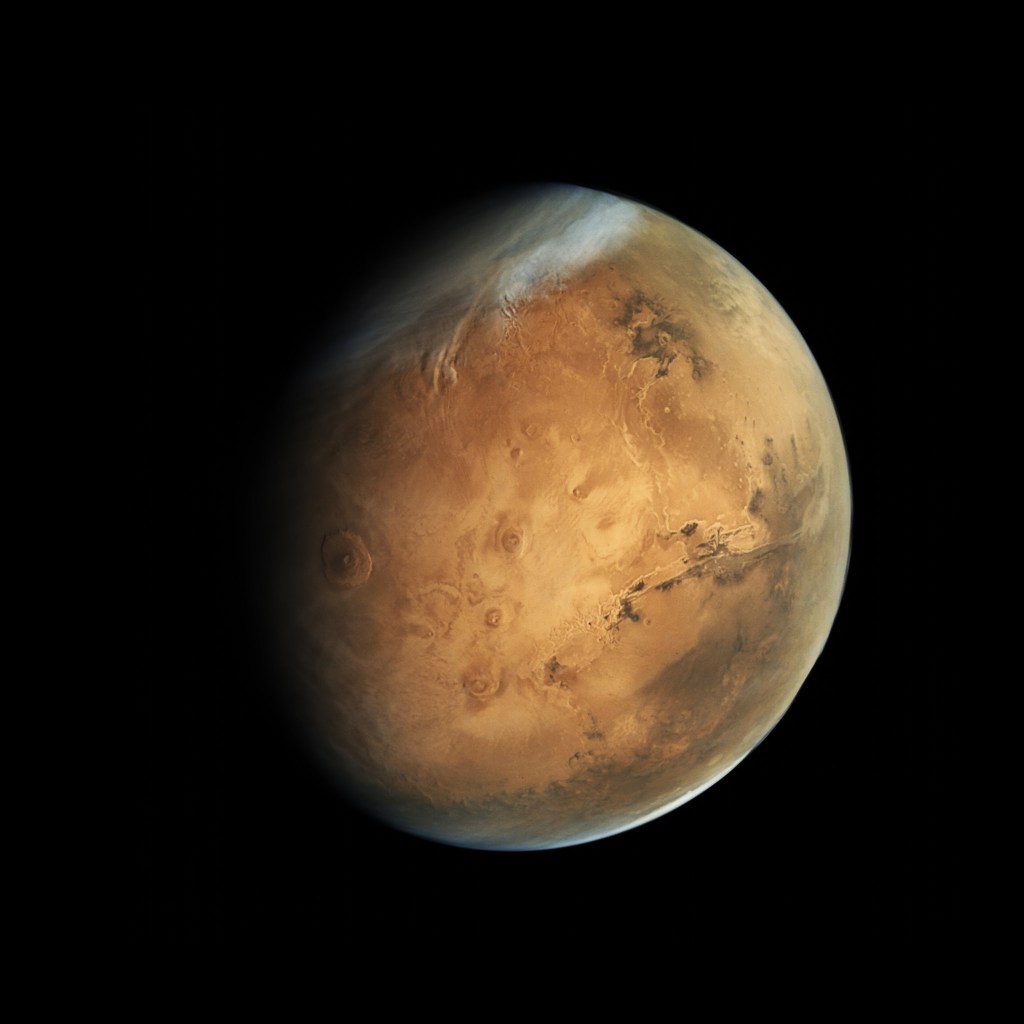
Mega-structures on Mars: In the Late 1800s Alien “Engineers” Altered Our World Forever
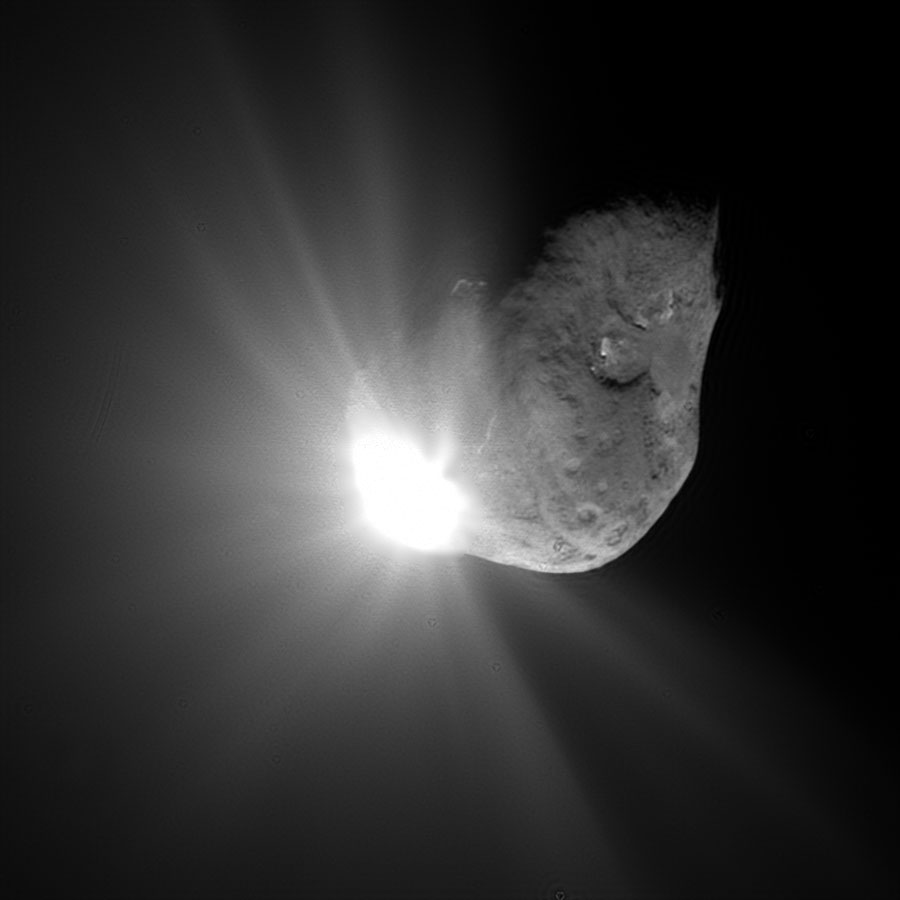
National Geographic
The Students Who Developed a Plan to Stop Armageddon
Historical Studies in the Natural Sciences
Four Paths Through Climate History
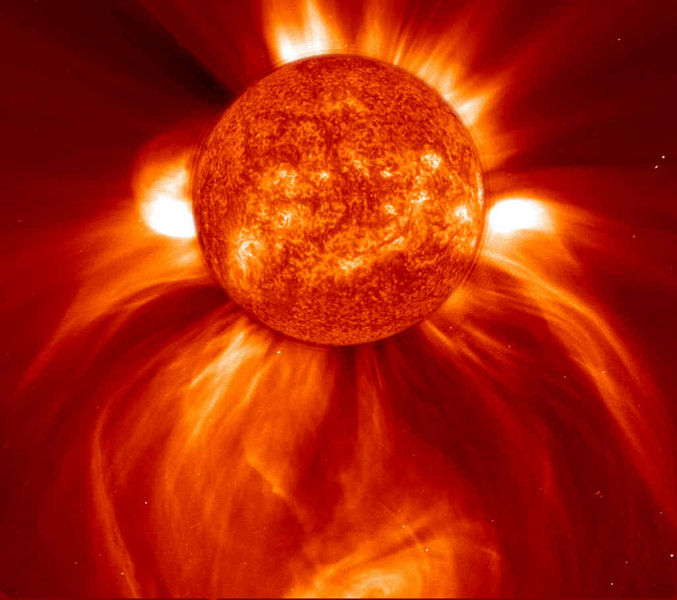
The Conversation
Solar Storms Have Influenced Our History – They Could Also Threaten Our Future
Monthly column · Science Politics
Horizons of Humanity

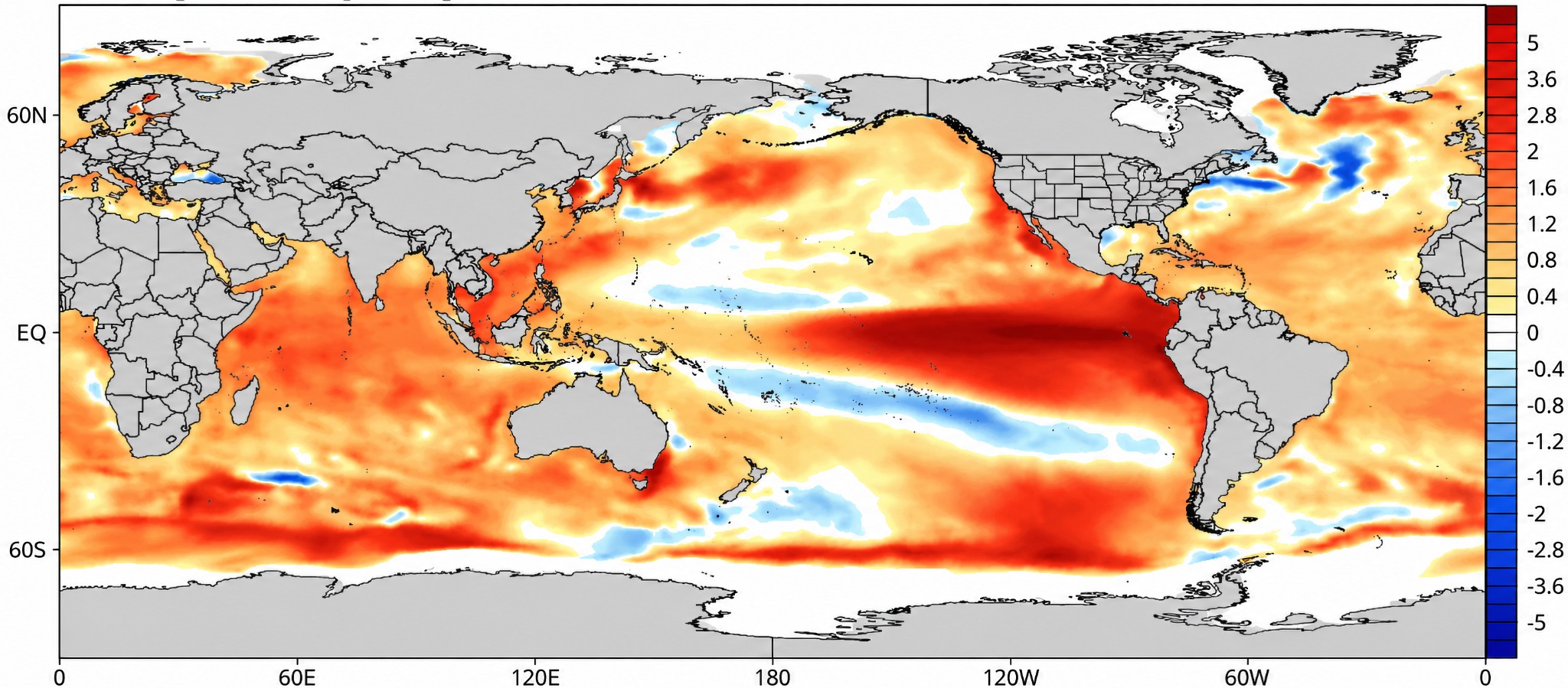
Six-part video series
Ripples on the Cosmic Ocean
Want to learn more? Check out a six-part video series that introduces the sources, methods, and goals of Ripples on the Cosmic Ocean.

Get in touch