Breach
Microbes, Moon Landings, and the Hidden Biosecurity Crisis of the Space Age
With Asif Siddiqi
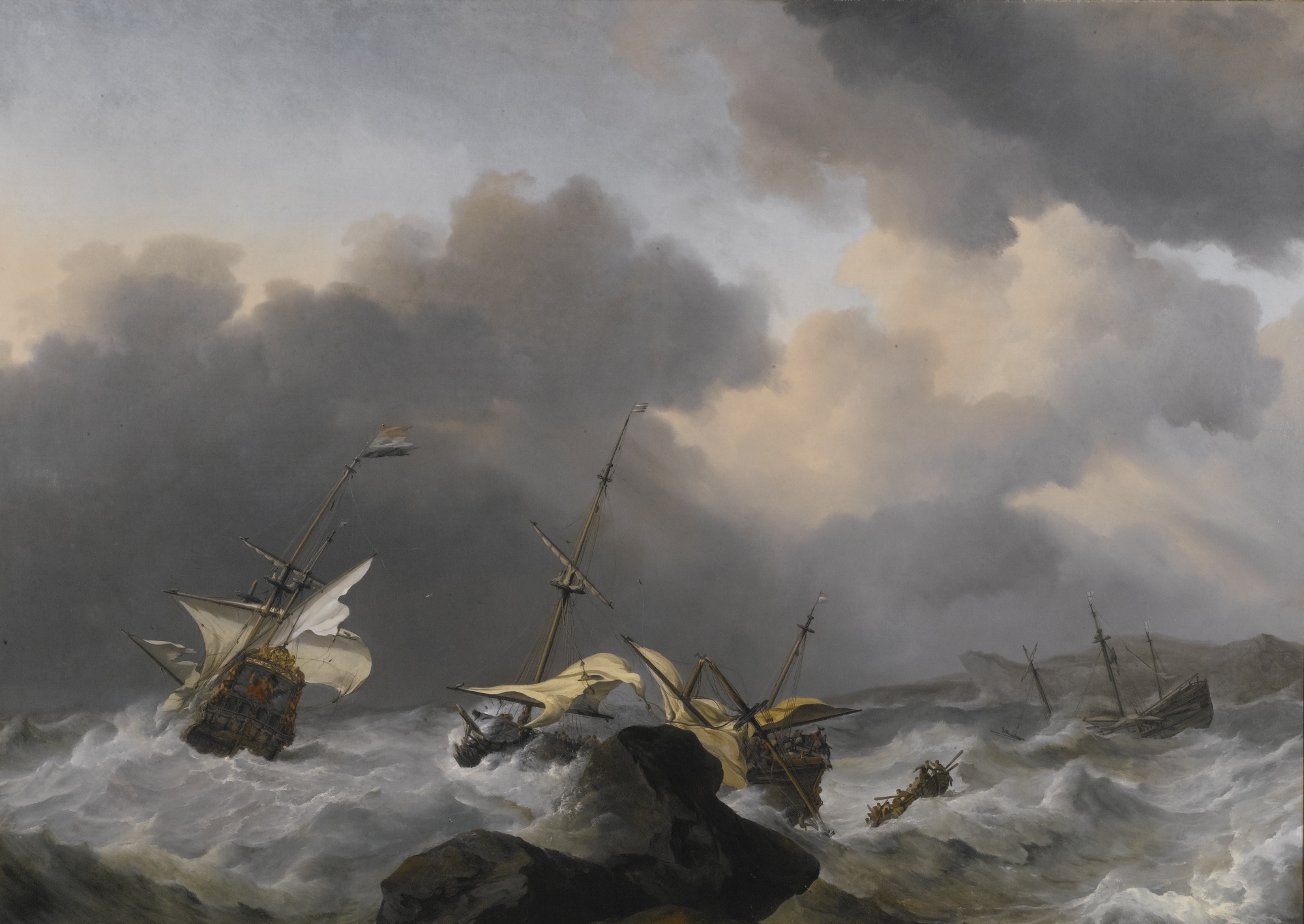
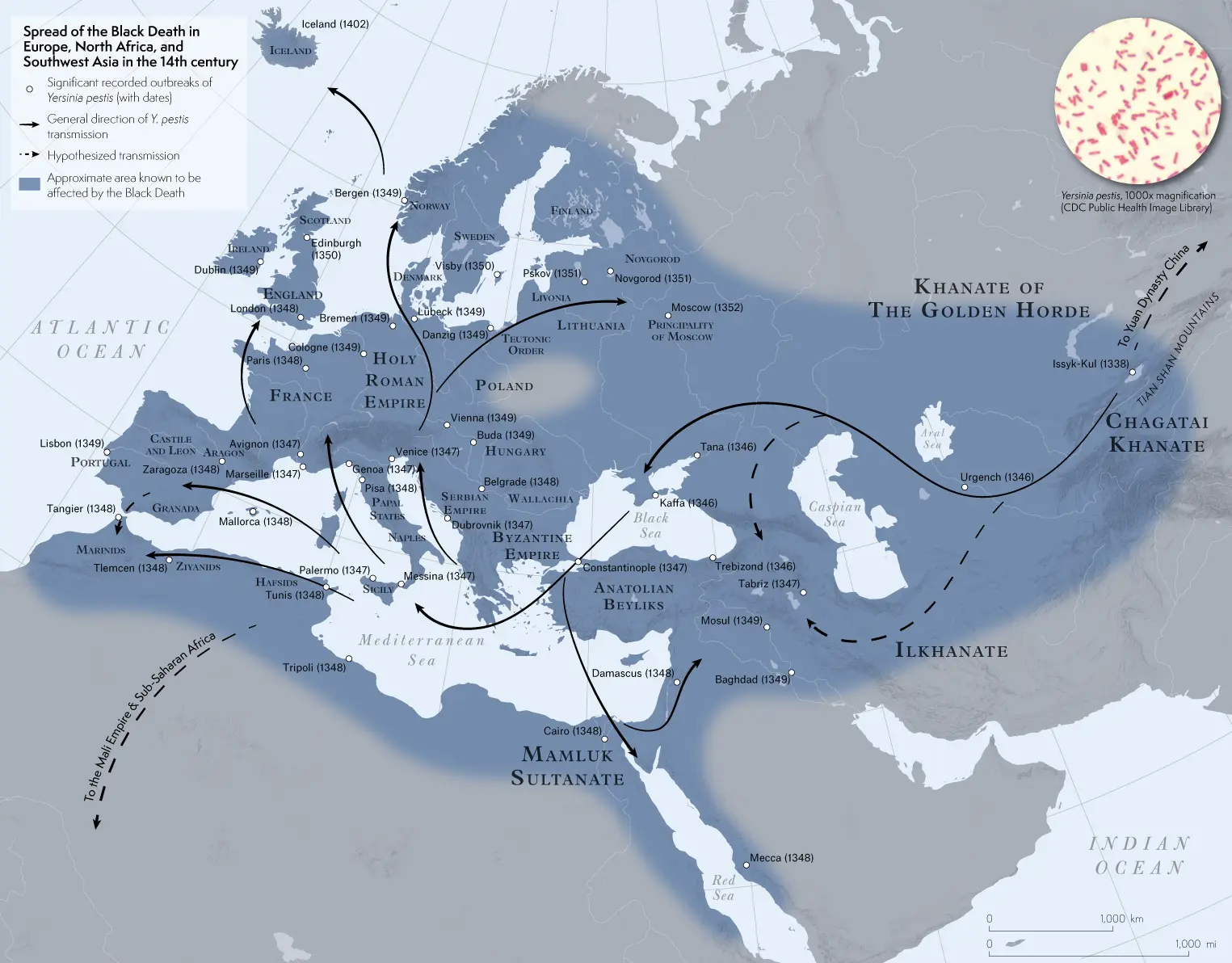
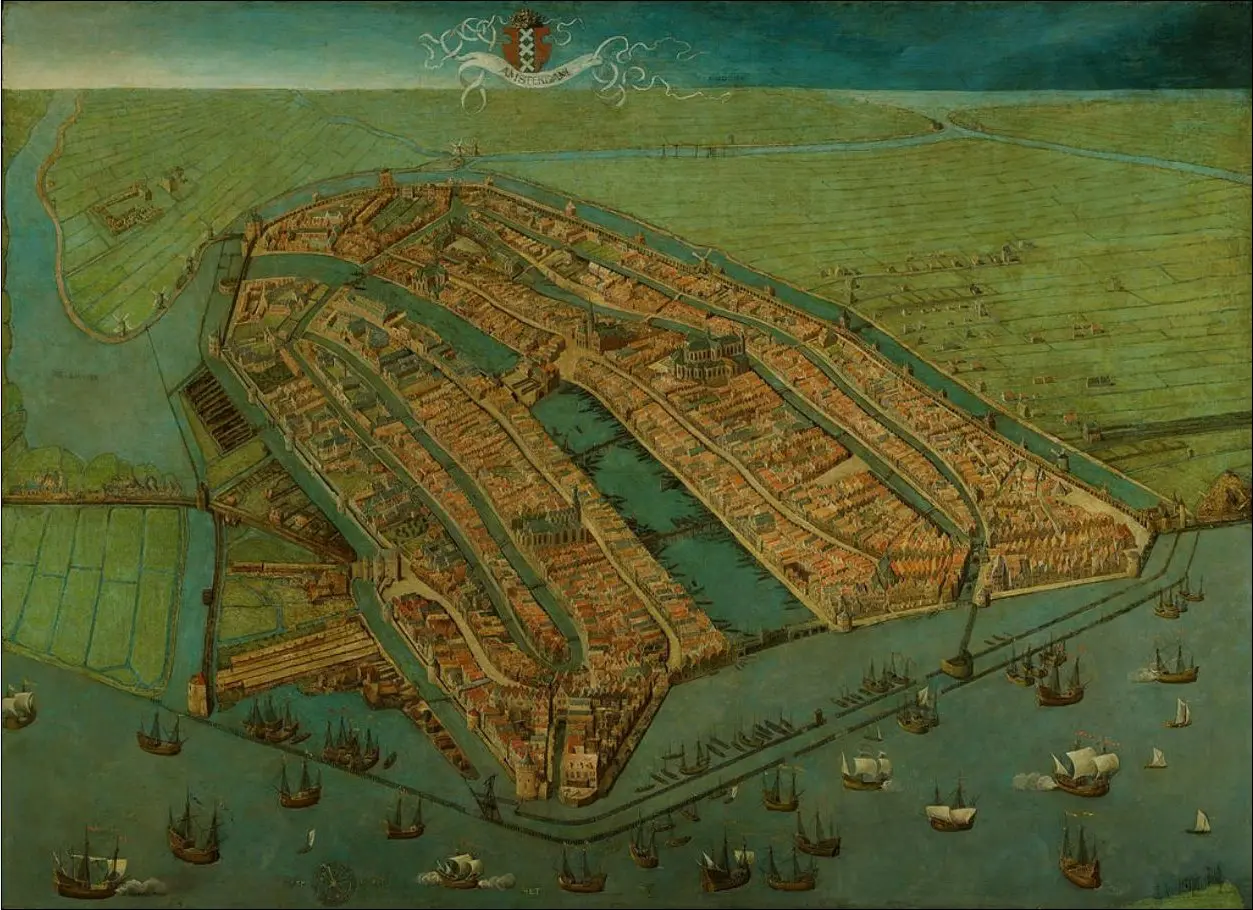
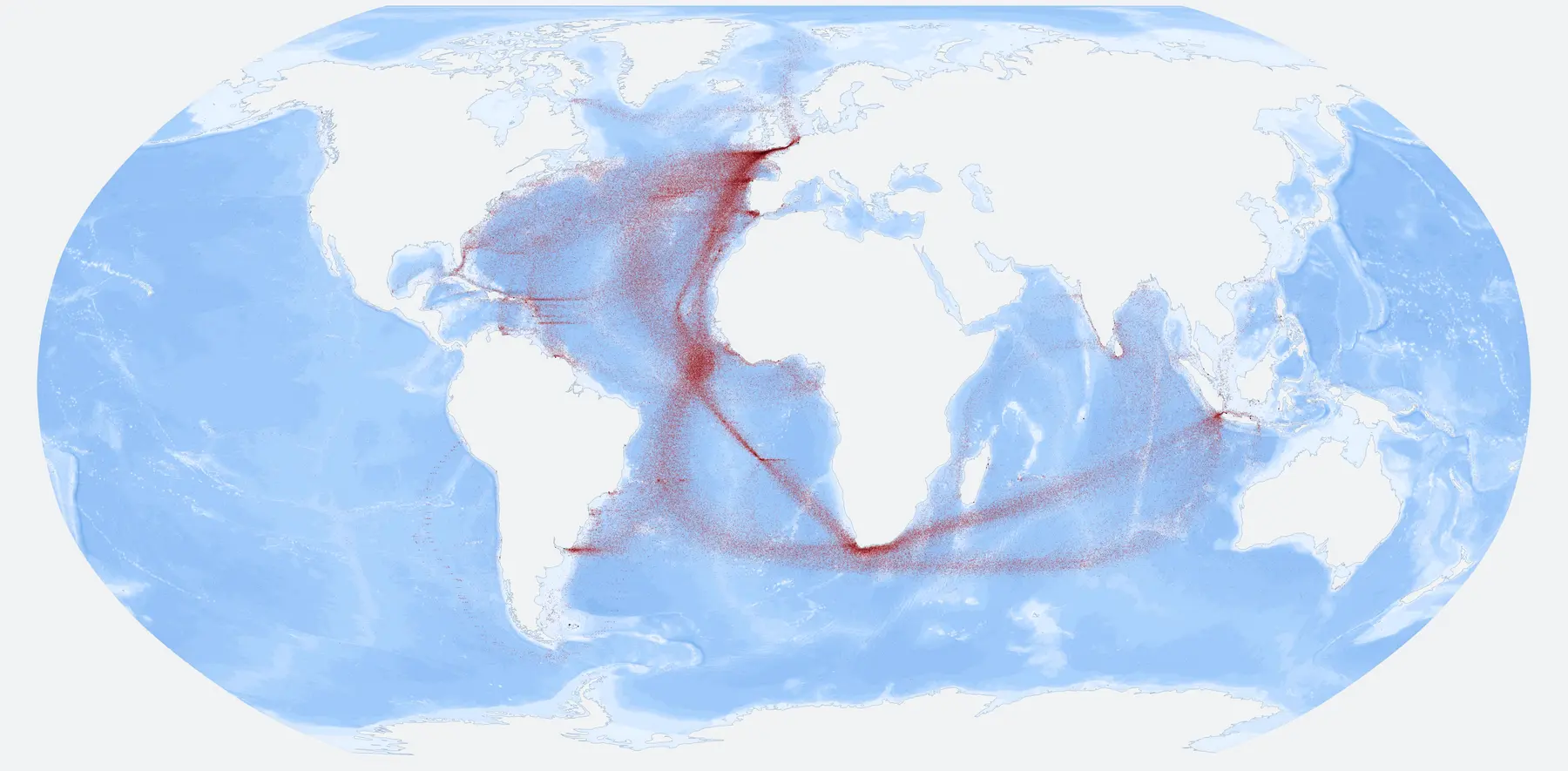
When sailing ships departed Europe in the fifteenth and sixteenth centuries, their most important passengers were invisible. Stowing away in the bodies of sailors were bacteria and viruses that had, for millennia, co-evolved with the dense and closely connected human and animal populations of Eurasia and Africa. The people of the Old World had gained resistance to the diseases caused by these microorganisms, but the oceans formed a barrier that protected vulnerable populations across Australasia, Oceania, and the Americas. That barrier was now breached. Europeans disembarked with the germs responsible for smallpox, measles, influenza, typhus, and many other diseases. Millions died.
In 1959, when the Soviet probe Luna 2 smashed into the Moon and became the first spaceship to reach another world, some scientists warned that another, even more dangerous breach could be imminent. Experiments suggested that microorganisms from Earth could survive aboard probes and multiply in the towering clouds of Venus, the water-carved plains of Mars, and even the temperate subsurface of the Moon. If they did, they could destroy whatever ecosystems existed there. Worse, spacecraft returning to Earth could carry alien microbes. If those microbes could reproduce in terrestrial ecosystems, Earth’s web of life – and potentially humanity itself – seemed in danger.
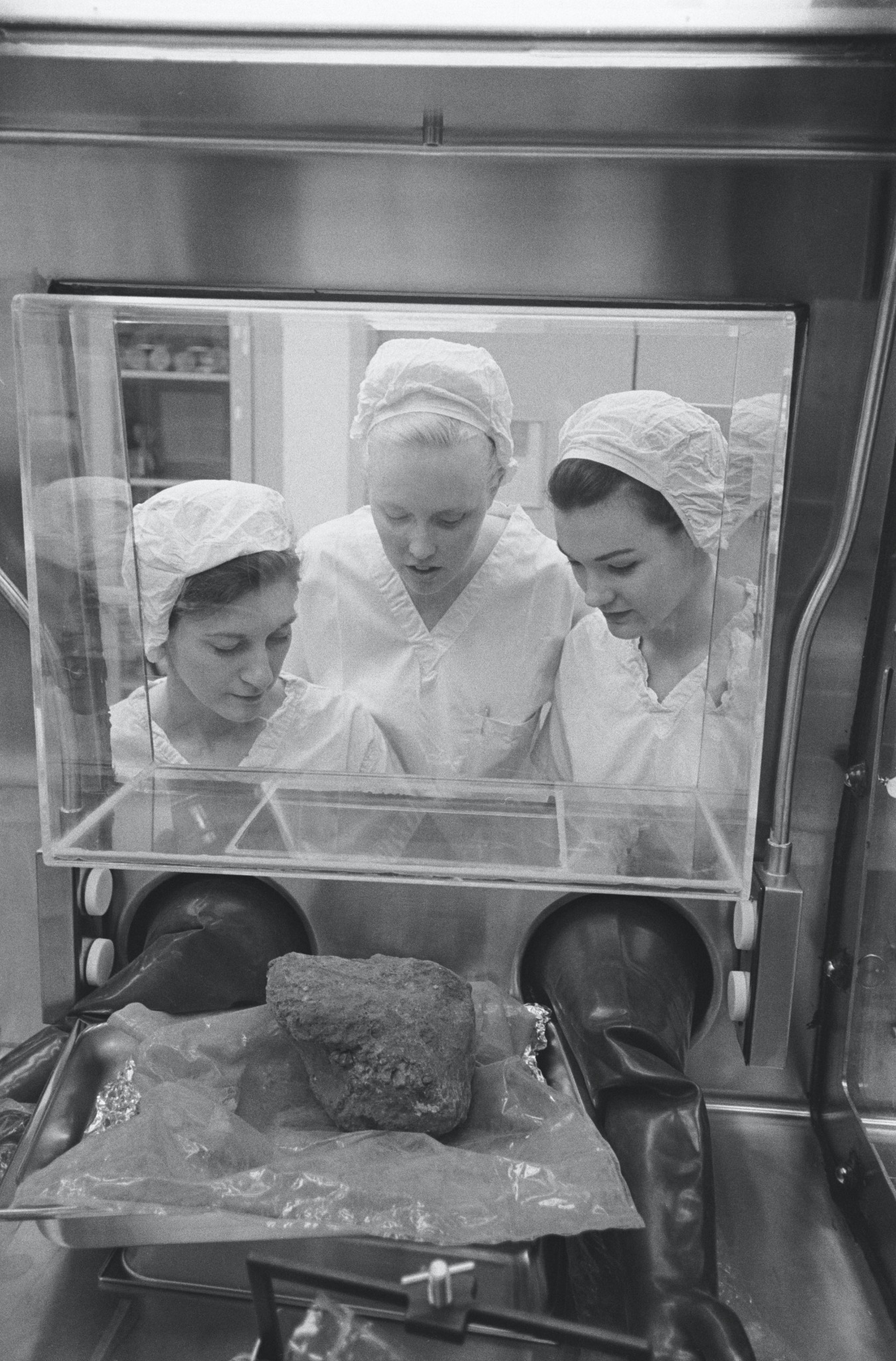
In Breach, we reveal that the American and Soviet governments scrambled to prevent the spread of microorganisms through the solar system in the first decades of the Space Age. Drawing on private correspondence, confidential reports, interviews, and even training manuals that have never been examined before, we expose how both governments failed to contain the potential spread of these organisms, despite public assurances to the contrary. We show that Soviet and American officials privately acknowledged that they were endangering the Earth and the potential biospheres of other worlds. Yet they chose to accept and conceal this risk in order to address more tangible threats to careers, missions, machines, personnel, and national prestige. The beginning of the Space Age therefore threatened the end of worlds.
This is a true story with the pace and suspense of a science-fiction thriller. It takes readers into secret meetings and breached quarantines, into alien-life scares and worst case scenarios. It shows how whistleblowers were silenced and politicians were deceived. But Breach does more than uncover a bizarre and exciting chapter in the history of space travel. It is also a book with urgent present-day relevance. From runaway climate change to artificial superintelligence, existential risks – meaning risks to the survival or future flourishing of all humans – have never seemed more threatening. By identifying the conditions that encourage people and organizations to gamble with the end of the world, Breach uncovers not just a hidden history—but a blueprint for human survival.